6 min read
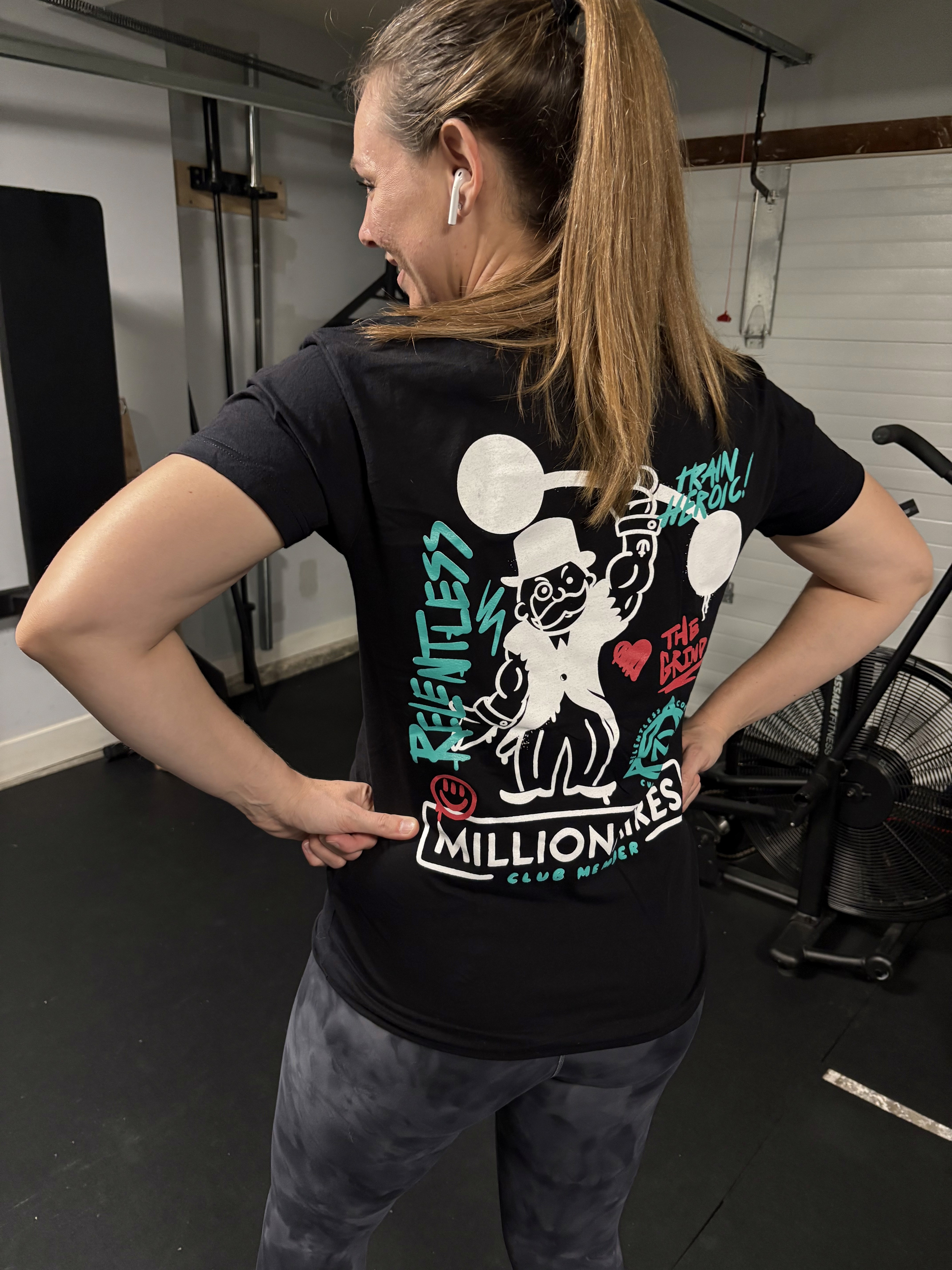
The 2026 Winter Olympics wrapped up a couple of months ago, and as a lifelong sports lover, I look forward to the Games every time they roll around. There are so many incredible sports we don't get to see on a daily basis, and sharing that experience with my husband and kids — watching their wonder over jaw-dropping athletic performances — never gets old.
As a 40-something athlete myself, one story captured my attention more than any other: Lindsey Vonn.
Lindsey Vonn and the Power of Strength
If you haven't been following her story, Lindsey is a 41-year-old alpine skier who came out of retirement, made the US Olympic team again, and competed at the highest level in her fifth decade of life. I took particular interest because I grew up watching her — and she's my age. That alone should inspire all of us.
Leading up to the Games, Lindsey suffered a torn ACL in her left knee during a training run in poor weather conditions. What happened next is where the story gets remarkable: she planned to continue racing anyway. She posted training videos of herself front squatting with a barbell after the injury, along with jumping and other dynamic movements.
As a PT, I was floored.
Most athletes who tear their ACL experience significant swelling, limited range of motion, and pain that would prevent exactly this kind of activity — not to mention the substantial instability that comes with losing that ligament. In most cases, an ACL tear means surgery, followed by a year of rehab, before returning to sport.
Lindsey Vonn is not most athletes.
Because she is so incredibly strong, her musculature compensated for the lack of an ACL and continued to provide the stability she needed to ski competitively. I also suspect her ACL may have been partially torn prior to this incident, which could explain why her body didn't respond with the typical post-injury reaction. Either way, her resilience is a powerful example of something we say in the clinic all the time:
Strength is a superpower. The stronger and more resilient the body, the better it can adapt and compensate when things go wrong.
If you followed the Olympics, you know Lindsey's Games ended when she crashed again — this time suffering a severe tibial fracture requiring multiple surgeries. To be clear: that crash was not caused by her ACL. She clipped a gate while cutting at 70+ miles per hour, which caused her to rotate and spin out. That's going to be a serious problem for any skier, ACL or not.
Training Through Injury — The Right Way
Since her surgeries, Lindsey has been posting rehab updates, and there's one thing I love about what she's sharing: she hasn't stopped training. Her rehab isn't limited to the basics for her injured leg. She's protecting that leg appropriately while continuing to train her trunk, arms, and the other leg at full effort.
This is something we teach athletes and active adults every day. An injury doesn't mean you stop moving — it means you modify. The goal is to protect the injured area while keeping the rest of your body as strong and fit as possible. That approach will always give you a leg up in recovery (no pun intended) and get you back to the activities you love faster.
Rest is important. Sleep like it's your job. Eat to fuel recovery. But don't stop training. Injury is an opportunity to reset, refocus, and come back more resilient than before. It can slow you down — it doesn't have to stop you.
You Don't Have to Be an Olympian to Age Like One
Lindsey's story is the one I find most inspiring, but here's something else worth noting: there were 11 athletes age 40 or older competing at the 2026 Winter Olympics. Absolute rockstars, every one of them.
I can say from personal experience that I am a far smarter athlete now than I was in my teens. I understand the importance of sleep, nutrition, and recovery in a way I never did back then. That knowledge is a big part of why I can still play volleyball — my sport — without constantly battling pain or injury.
Here's the truth most people don't want to hear: most of our physical decline with age is due to disuse, not inevitability. If you were a high school athlete who stopped training after graduation, you're going to feel it when you try to pick your sport back up in your 30s or 40s — even recreationally. That's not aging. That's deconditioning.
We talk about this with our clients regularly. You can't — and shouldn't — train as an adult the way you did at 17. You don't have two-hour training windows unless sport is your profession. And if you've taken 20 years off, you should work with a coach to build back the right way. Muscle memory is real, and so is the potential to reclaim it, but it requires a plan and progressive training.
You wouldn't run a marathon without preparing for it. So why do we expect to sit at a desk all week, skip training entirely, and then go play a sport on the weekend and feel good?
At Restore Thrive, we've built training plans specifically for adult athletes — programs that develop strength, speed, and power. These are all trainable skills at any age, but they require a thoughtful approach. Random exercises won't get you where you want to be. Exercise is a science. When you implement the right plan, you get results — regardless of your age.
Play Matters
We believe this is important because play matters. This isn't about recreating the competitive intensity of your teenage years or comparing yourself to who you used to be. It's about learning to play again — stepping away from the daily grind, moving your body, and doing something you genuinely love.
Play brings joy. It creates connection. And social connection is one of the five core pillars of health, right alongside physical activity. When one activity checks both boxes, that's a big deal for your long-term wellbeing and how you age.
When clients come in to see us for an injury or pain issue, we always ask why they decided to reach out now. The answer is almost always the same: it's preventing them from doing something they love. That's a quality-of-life issue, and it's one we take seriously. Our goal isn't just to help you recover — it's to give you the tools to build resilience so you don't end up back in this position.
If we can help you stay healthy before injury strikes, that's even better. Simple things like learning how to warm up effectively, how to cool down to accelerate recovery, and how to sleep and eat like an athlete add up in a big way over time.
Ready to get your game back?
If you feel stuck in your training, find yourself constantly getting hurt — even from everyday things like weekend yard work — reach out and schedule a consultation. We'd love to help you get back to playing the sports and doing the activities that bring you joy.
Dr. Jess Cummings, PT, DPT, is the co-founder of Restore Thrive in Overland Park, KS. She holds a Doctorate of Physical Therapy from Southwest Baptist University and has completed over 400 hours of continuing education in manual therapy, differential diagnosis, and integrative care. She has 15+ years of clinical experience in outpatient orthopedics — and is a lifelong volleyball player.
FREE GUIDE FOR ACTIVE ADULTS 40+
When something hurts, where should you actually start?
Most active adults pick the wrong starting point — not because they aren't smart, but because no one ever explained what each option is built to do. The free guide breaks down PT, urgent care, primary care, and the ER, with a real patient case study and a side-by-side cost comparison.