5 min read
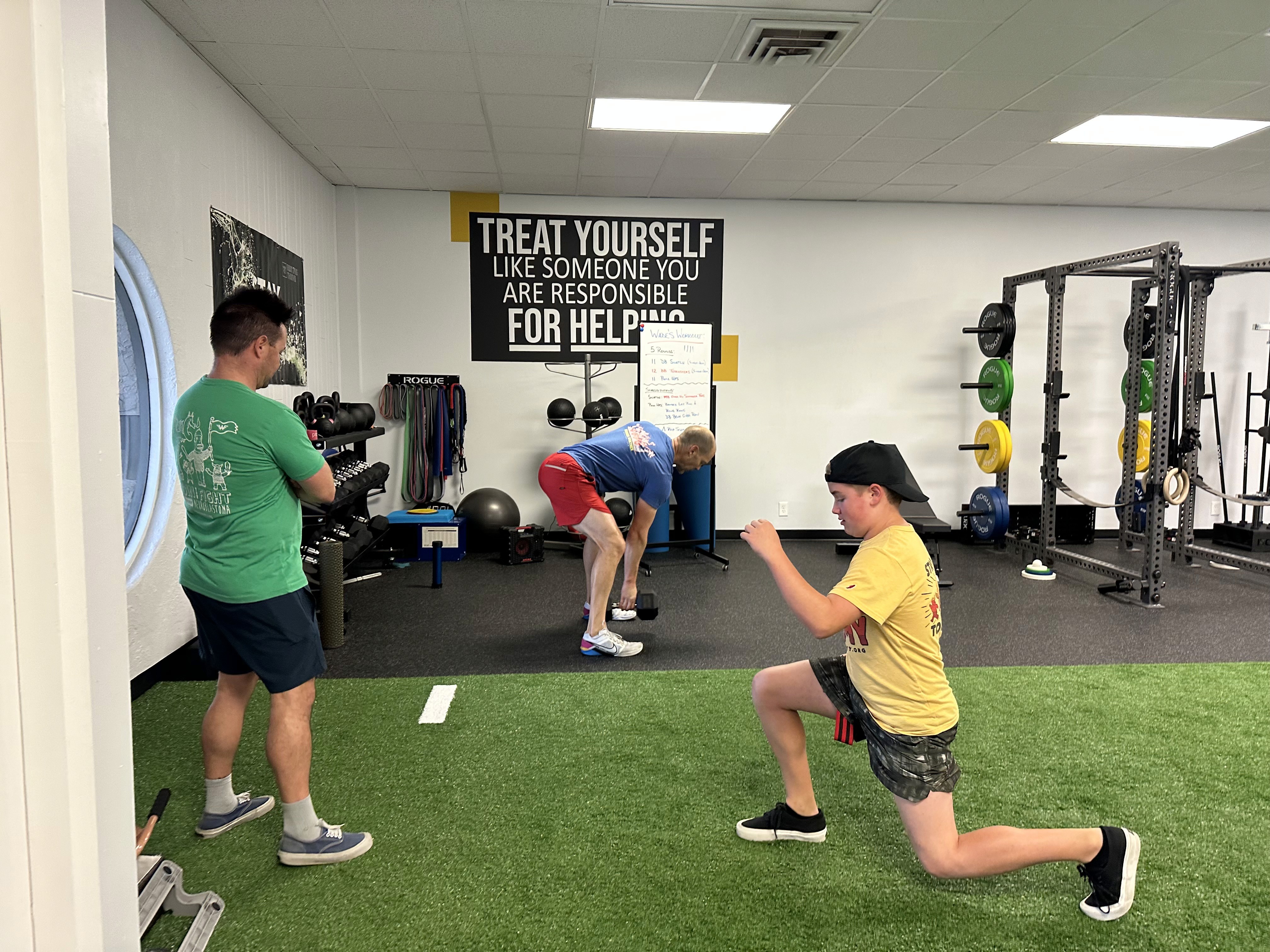
The summer is here, and with it, the season of sports camps!
The variety of activities available to youth athletes is outstanding — sometimes a little overwhelming. Local middle school and high school camps expose the community's young athletes to the programs they'll be a part of when they attend those schools in the future. Area municipalities offer recreational opportunities through Parks and Recreation departments across a huge variety of activities and hobbies — excellent, low-commitment ways to try different sports without signing up for a full season.
Colleges and universities run youth camps staffed with current and former players and coaches, using their state-of-the-art facilities, sometimes even offering week-long dorm-stay experiences. Nike, Adidas, professional athletes and coaches, pro leagues and organizations — they all have options for youth athletes to glean knowledge and experience from the world of sport.
These are all amazing opportunities for young athletes. They offer memorable experiences over summer vacation that provide untold gems of information, teaching, and coaching!
But they are not athletic development.
Athletic development is a long-term process. It takes into account the individual athlete, their current stage of growth, movement pattern coaching and competency, progressive overload, and constant regard for the ever-changing landscape that is adolescent athlete physiology.
The summer experiences listed above were never meant to be used solely for development. They're either an introduction to a sport or an entertainment experience with the chance to learn from high-level coaches. These are valuable and fun experiences — the Athletic Training+ program at Restore Thrive in Overland Park works to maximize the benefit for every young athlete involved in these camps.
What real youth athletic development looks like, stage by stage
Here's how to get the most out of every athletic and sport endeavor your young athlete attempts — and how real development at each stage makes every camp, class, and season pay off more.
Months 1–2: Building the foundation
The athlete is coached through the 8 primal movement patterns. Modifications are made in real time based on the athlete's limitations, and the athlete is instructed on the proper use of every modality in the gym.
This gives the athlete a foundation in movement that applies to middle school and high school strength and conditioning classes, all amateur sports endeavors, and primes them to hold on to the skills they learn at the camps and experiences listed above.
Months 3–6: Speed, recovery, and real workouts
As the athlete progresses, they're exposed to linear speed development and change-of-direction competency through space. They're educated in recovery techniques that further support athletic development, and they participate in full workouts to learn the intricacies that accelerate performance adaptations.
Athletes training at this level don't just acquire the skills presented at these experiences faster than other athletes — they progress to higher levels at an accelerated rate, because they have better body awareness, move more smoothly through space, and have developed the strength and stability to combine movement patterns effortlessly.
6+ months and multiple seasons: The robust athlete
The athlete progresses through a linear progression strength program, coached through multiple variations of the primal patterns as limitations are reached, given nutrition-for-performance education and implementation, and tracked through various technologies.
This is a well-trained athlete. Higher levels of participation should be available to them thanks to the strength, speed, and power they've spent months developing. This is a robust athlete who will express performance traits higher than their peers, acquire new skills exponentially faster, and carry a much higher capacity for new or advanced skill development.
The bonus: fewer injuries and a sports medicine team on call
Bonus points across all three levels of development? The athlete has a much lower incidence of injury — and is already connected to a world-class sports medicine team at Restore Thrive.
Being able to treat injuries and irritations in real time, with multiple practitioners on board and available, takes stress off the athlete and their family. They know they're in good hands when situations change.
Ready to build your athlete's foundation?
If you have camps later this summer, you still have time to prepare.
If you've already been to camps — or you're attending them now — reach out and have a conversation with the Restore Thrive staff about how to maximize your experience and development.
Want to dive in and prepare for next year or next season? Call and set up your athlete's initial evaluation and plan for long-term athletic development.
Have questions about what would be the best fit for your athlete? Email me directly at dennis@restorethrive.com — tell me your athlete's situation, and we'll work together to find the best way to foster their athleticism.
Have a great start to the summer! Good fortune in your athletic endeavors — I look forward to witnessing all your achievements!
— Dennis Dolan, MS, ATC, Director of Athletic Training, Restore Thrive
FREE GUIDE FOR ACTIVE ADULTS 40+
When something hurts, where should you actually start?
Most active adults pick the wrong starting point — not because they aren't smart, but because no one ever explained what each option is built to do. The free guide breaks down PT, urgent care, primary care, and the ER, with a real patient case study and a side-by-side cost comparison.